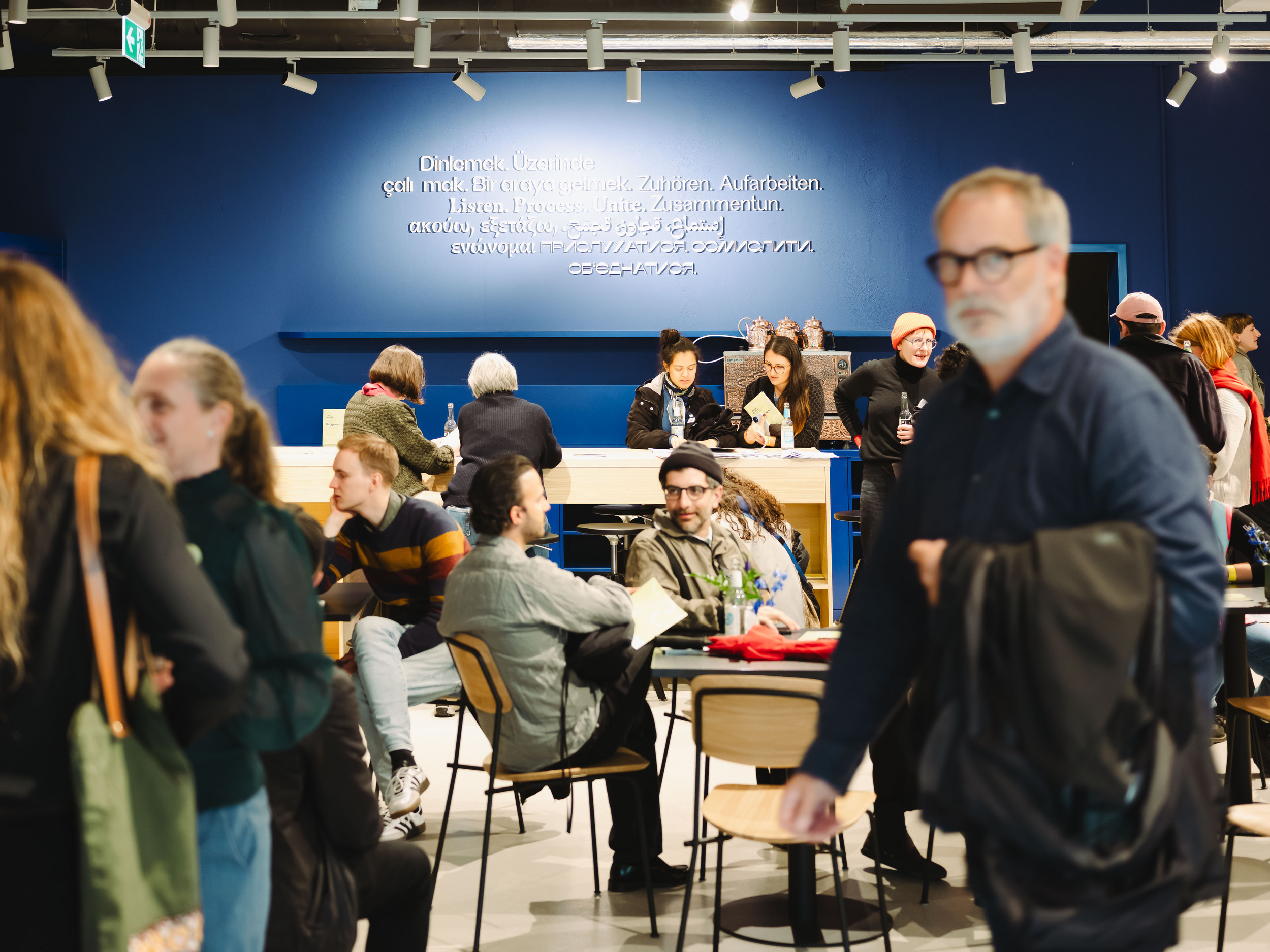
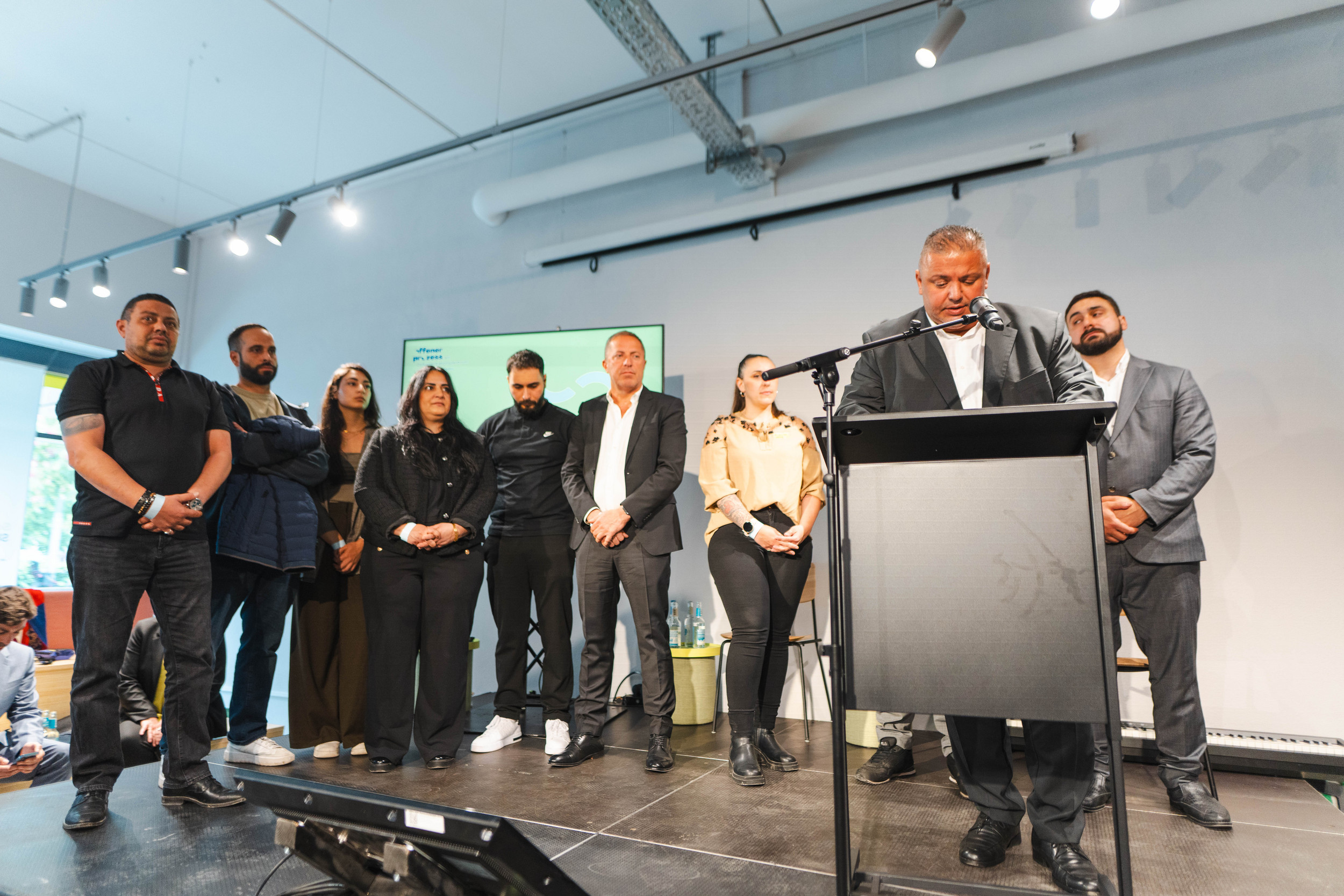
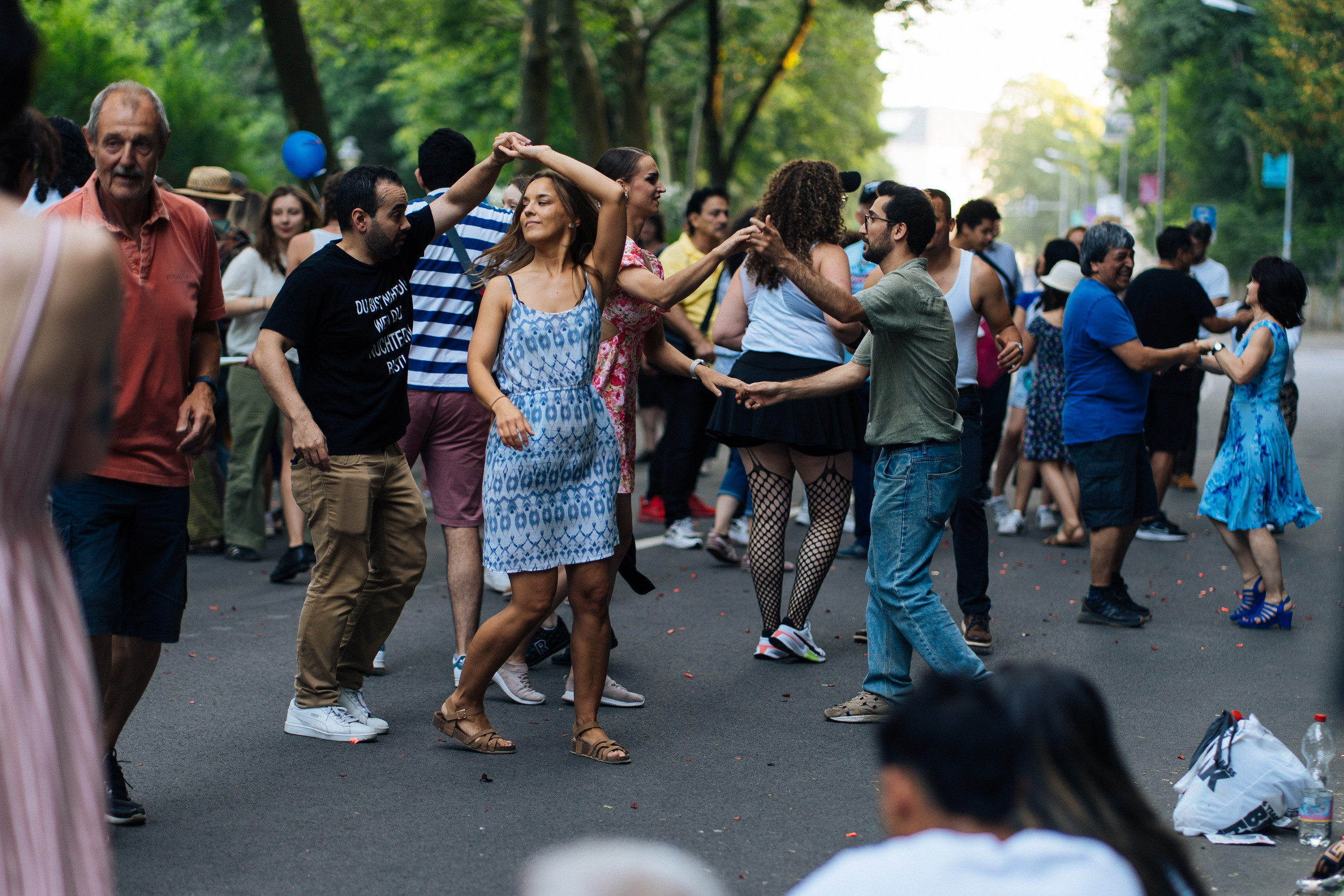
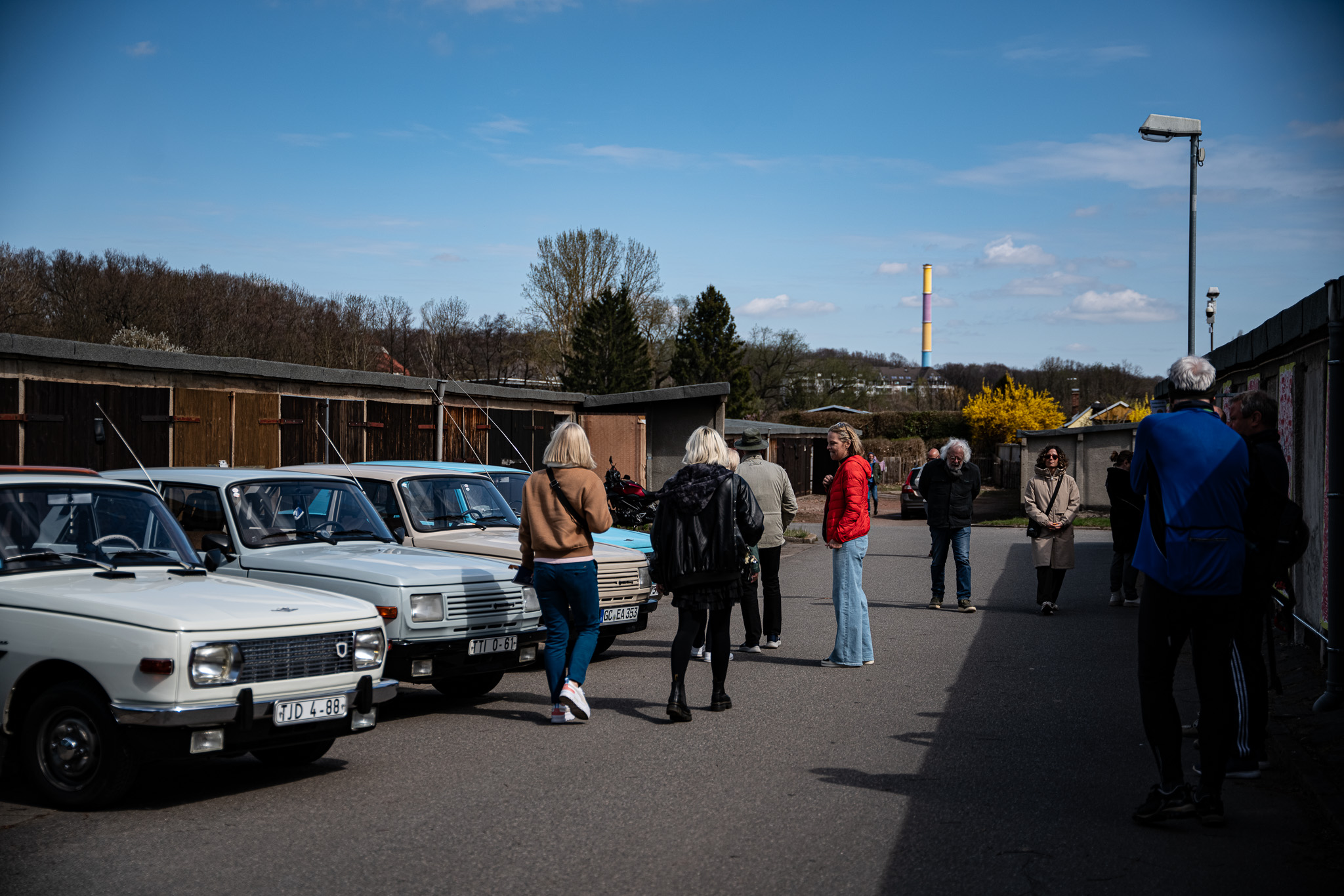
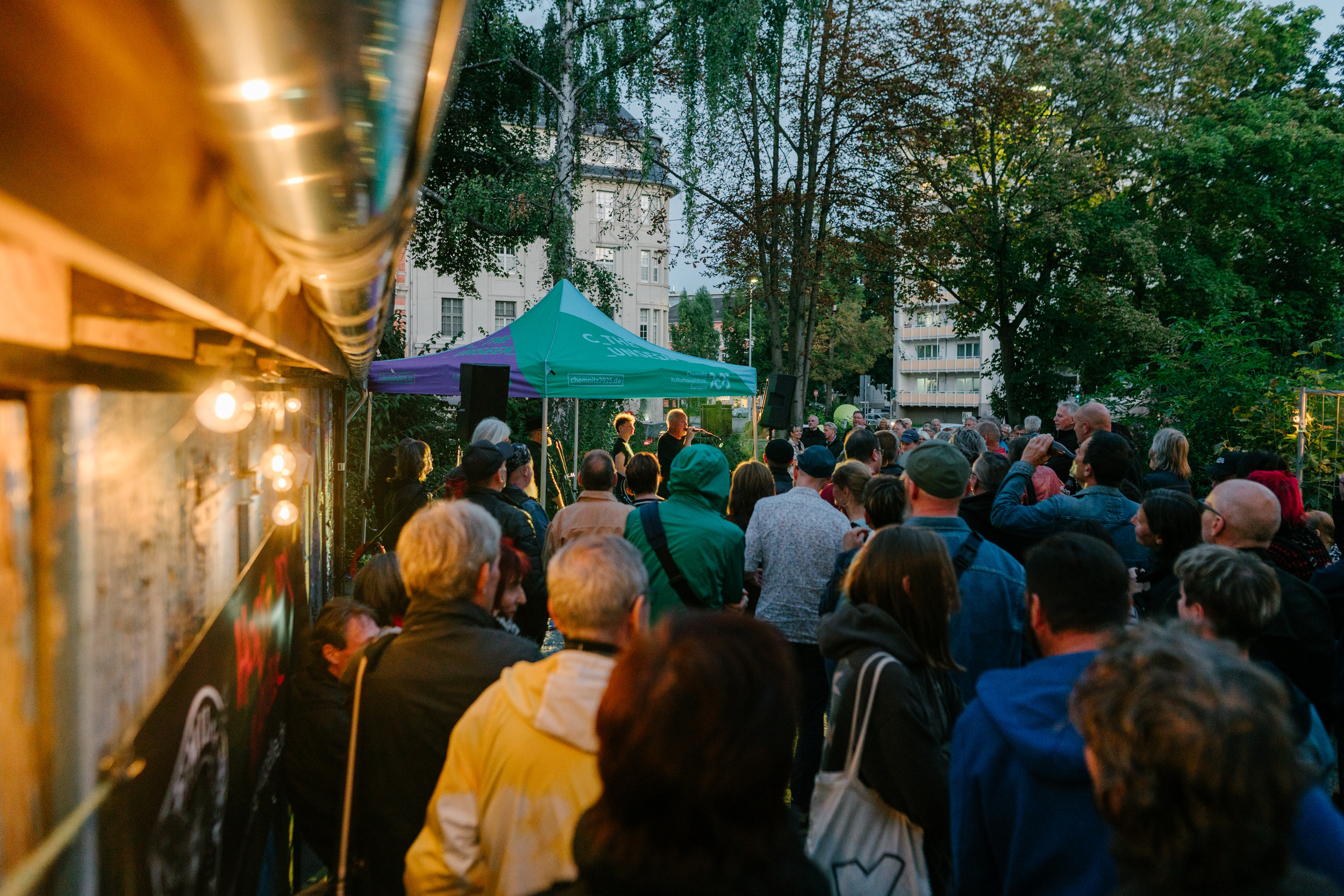
Who are the people who live next door to us? What motivates them, what drives them? And what does the neighbourhood that we want to shape together look like? In the Capital of Culture year, we took the first step: we came together, listened to each other and learnt from each other.




Apple trees for everyone
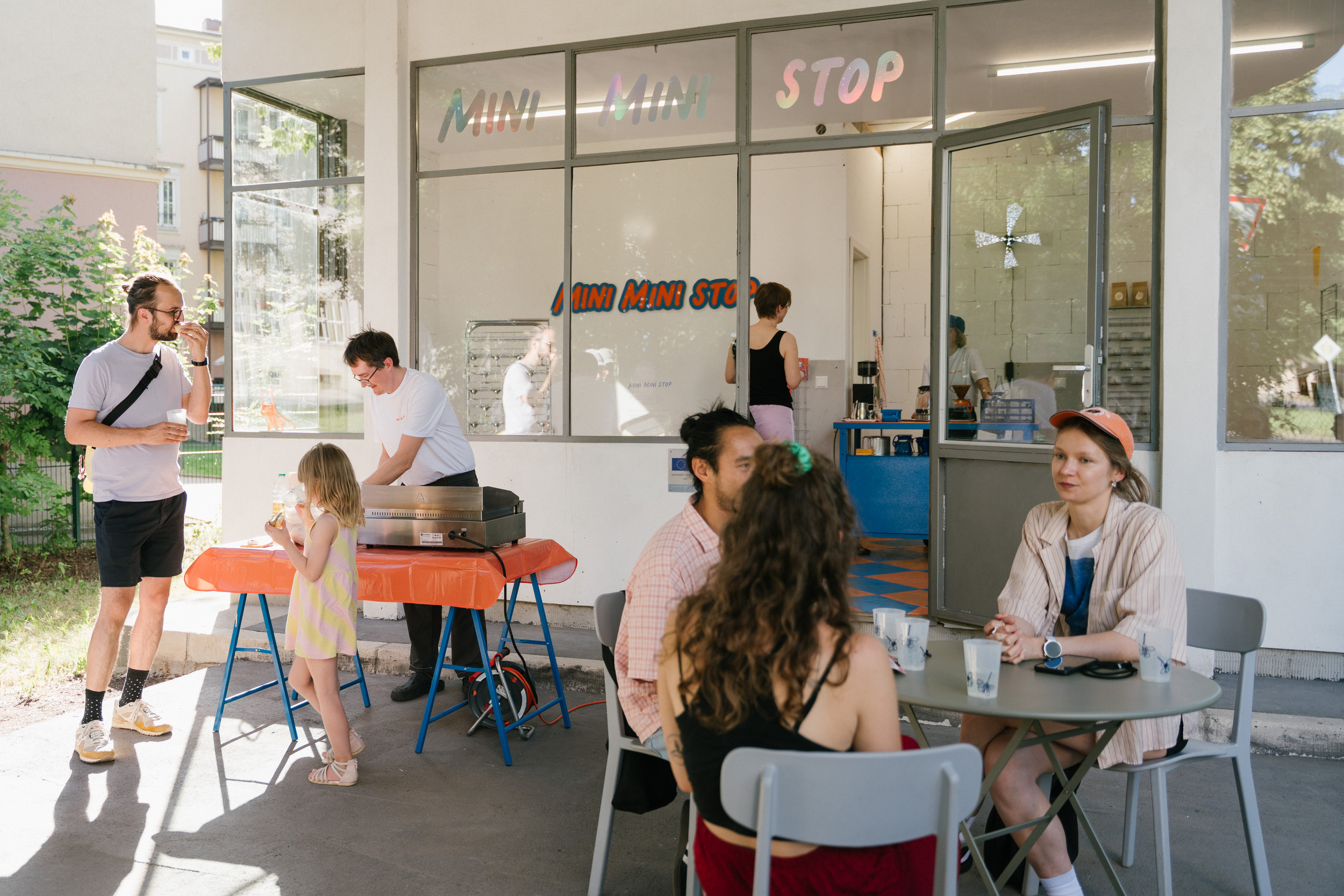
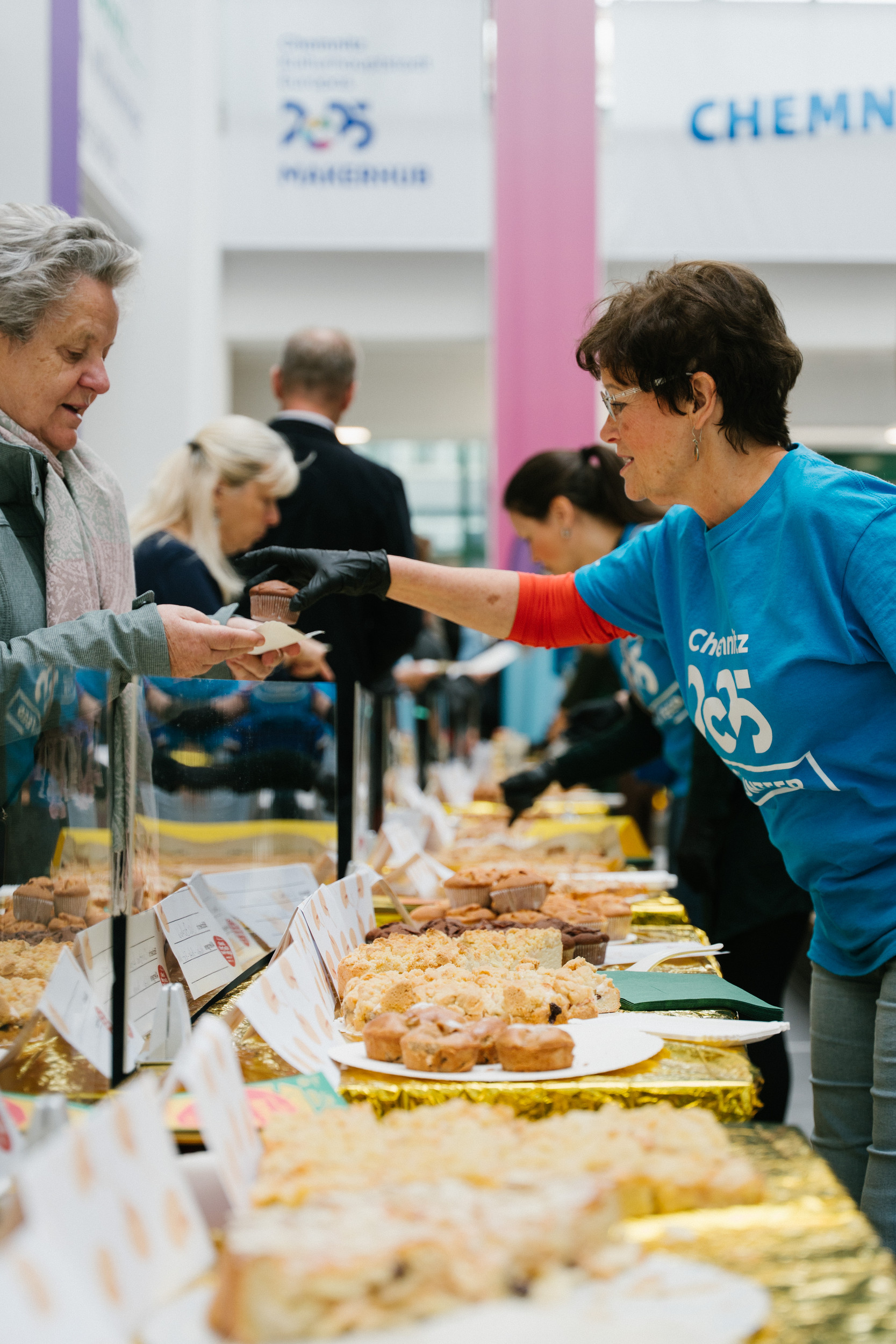
As part of the ‘Gelebte Nachbarschaft’ initiative, neighbours planted, tended and celebrated apple trees in over 600 varieties. This was done collectively through planting festivals, with gardening tips and tricks shared in educational programmes and in kitchens across the city and region. The aim of this project is ‘Fruits of Joy for All’. At its heart lies Chemnitz’s commitment to a fruitful and sustainable living environment. After all, the trees that will grow over the coming years will provide the basis for all manner of cakes, compotes and juices.



Dialogue boxes on the Sonnenberg
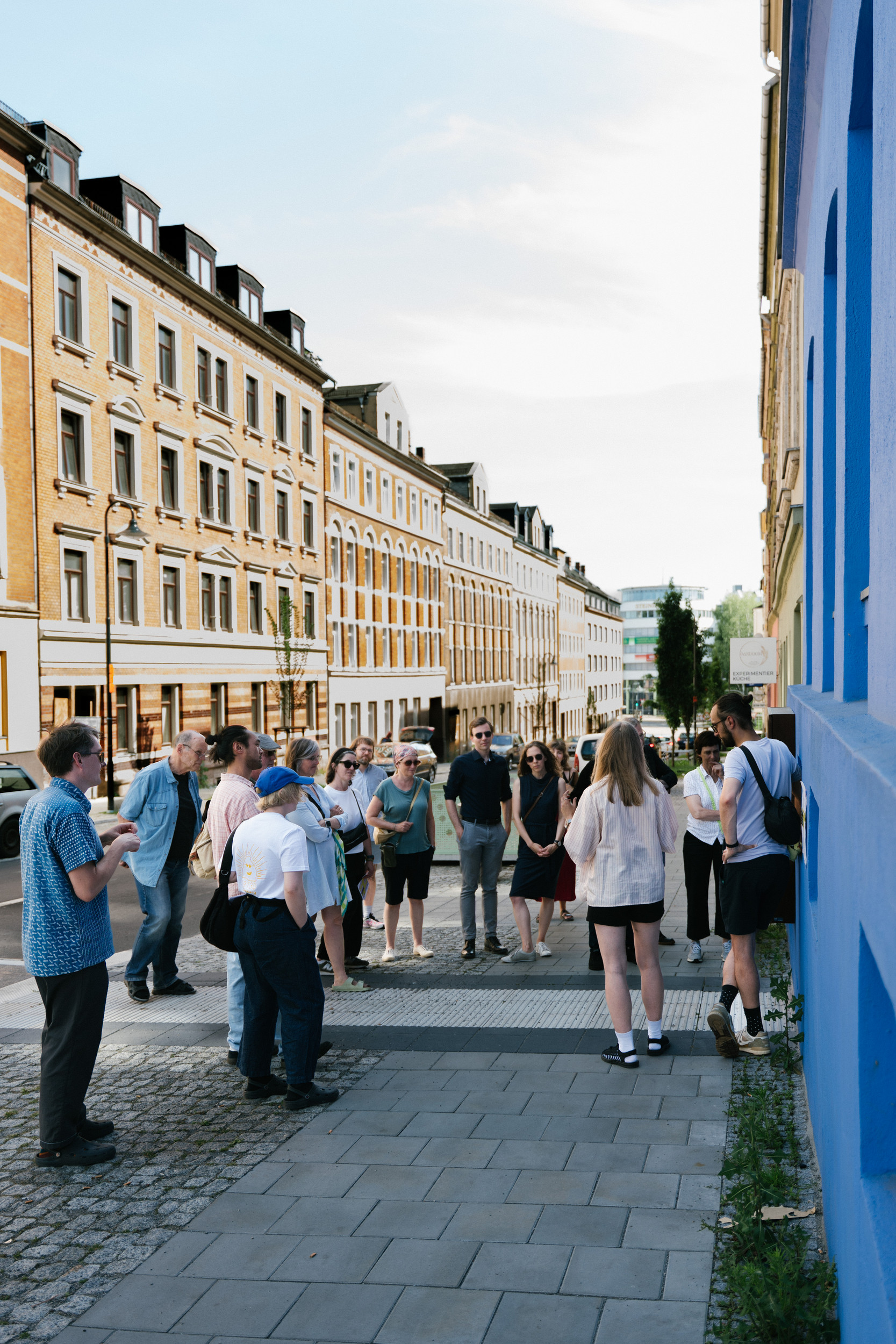
Sonnenberg has a reputation for being a bit rougher round the edges. Once a working-class neighbourhood, it is now Chemnitz’s newest district and the one with the highest influx of migrants. On the outskirts lies the stadium of Chemnitz’s football club; a renovated historic building stands next to a well-maintained prefabricated block, whilst fine dining rubs shoulders with visible poverty.
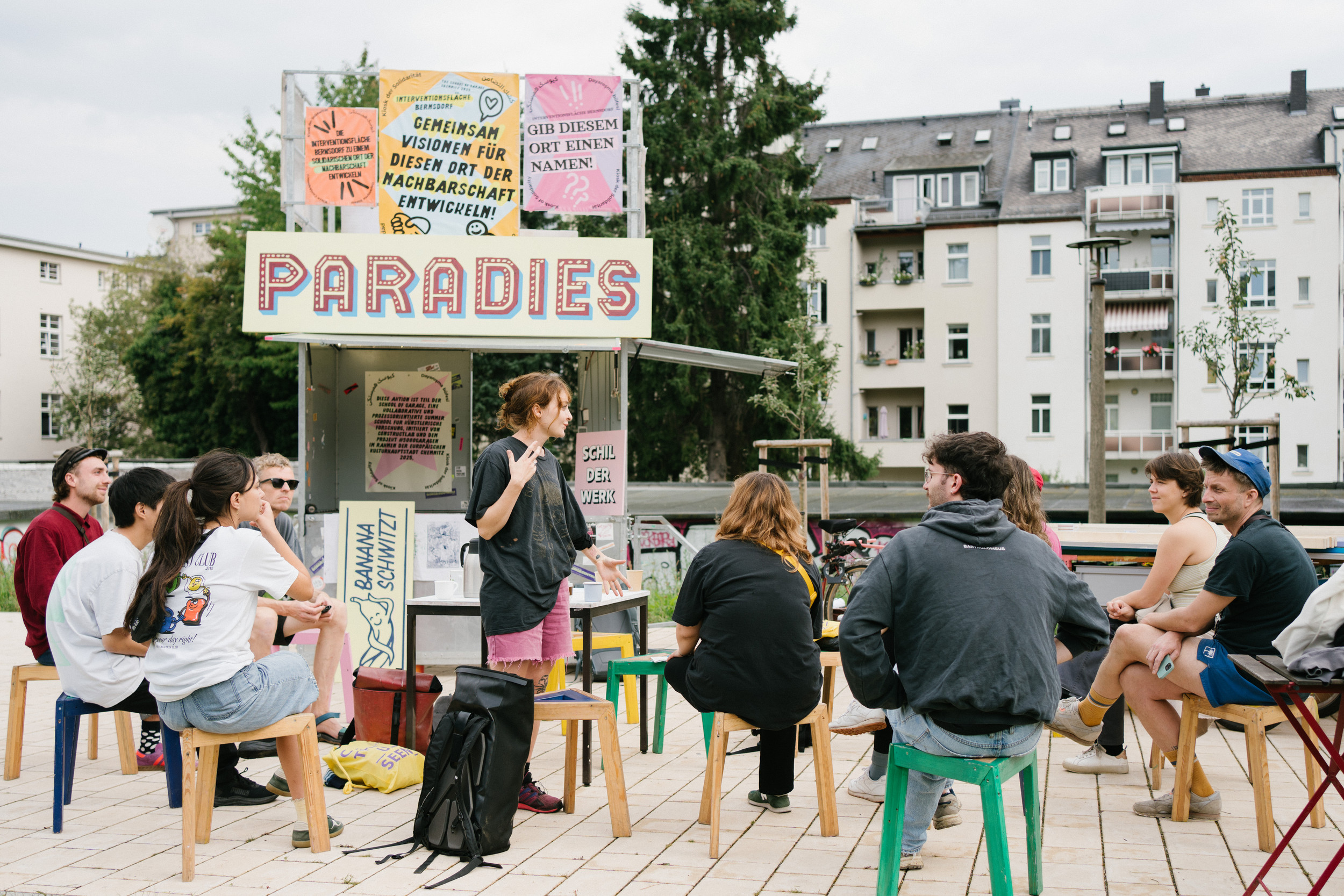
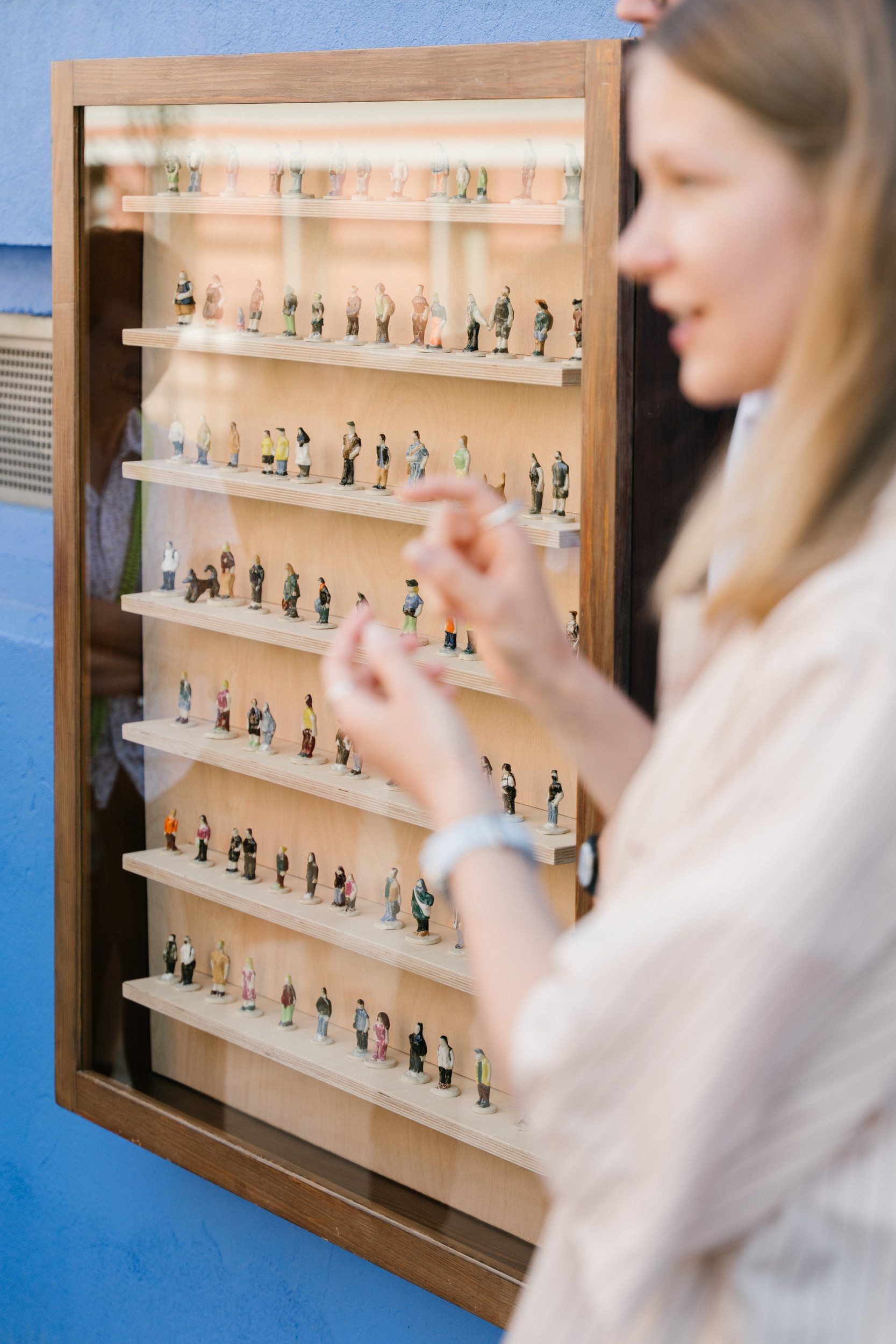
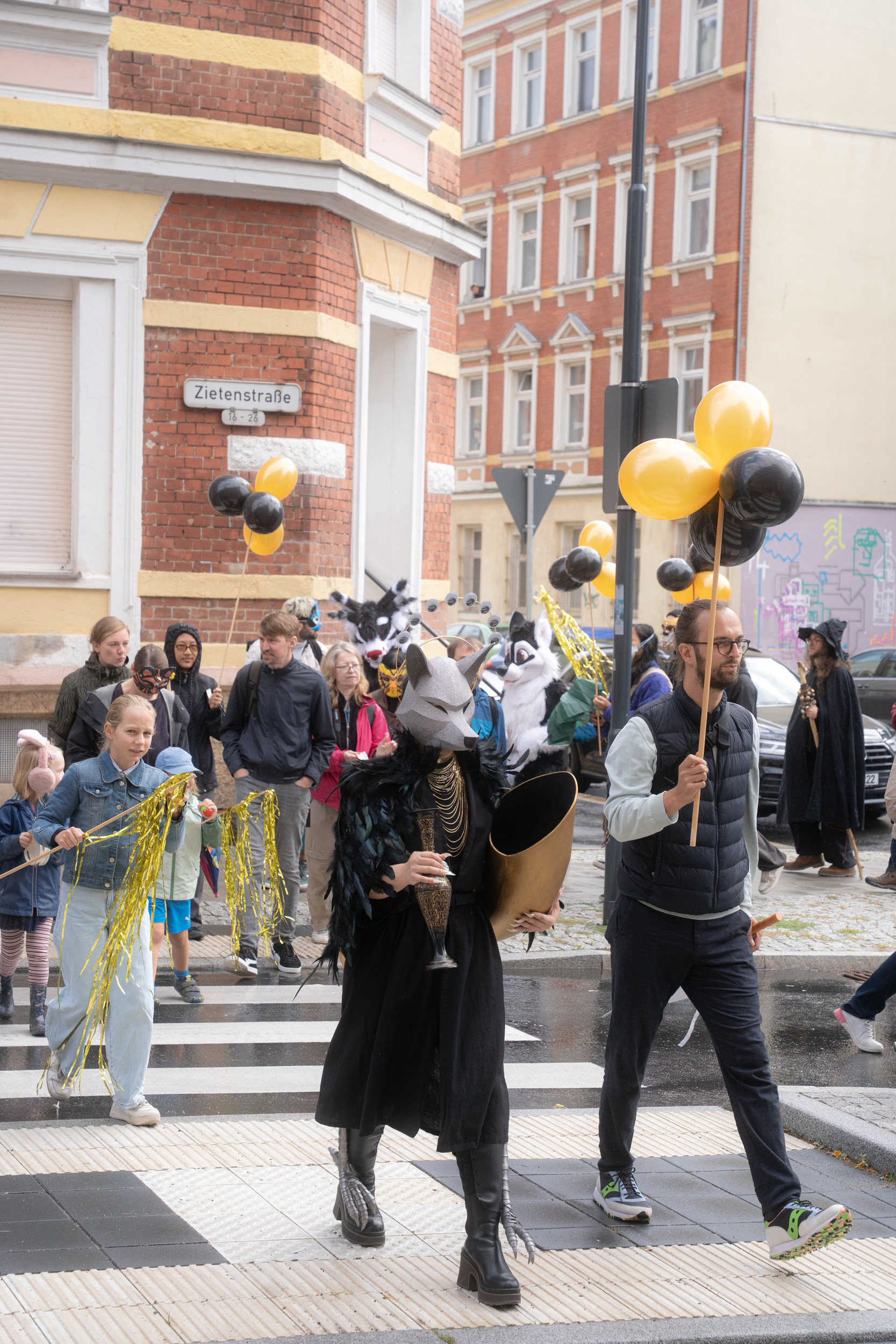
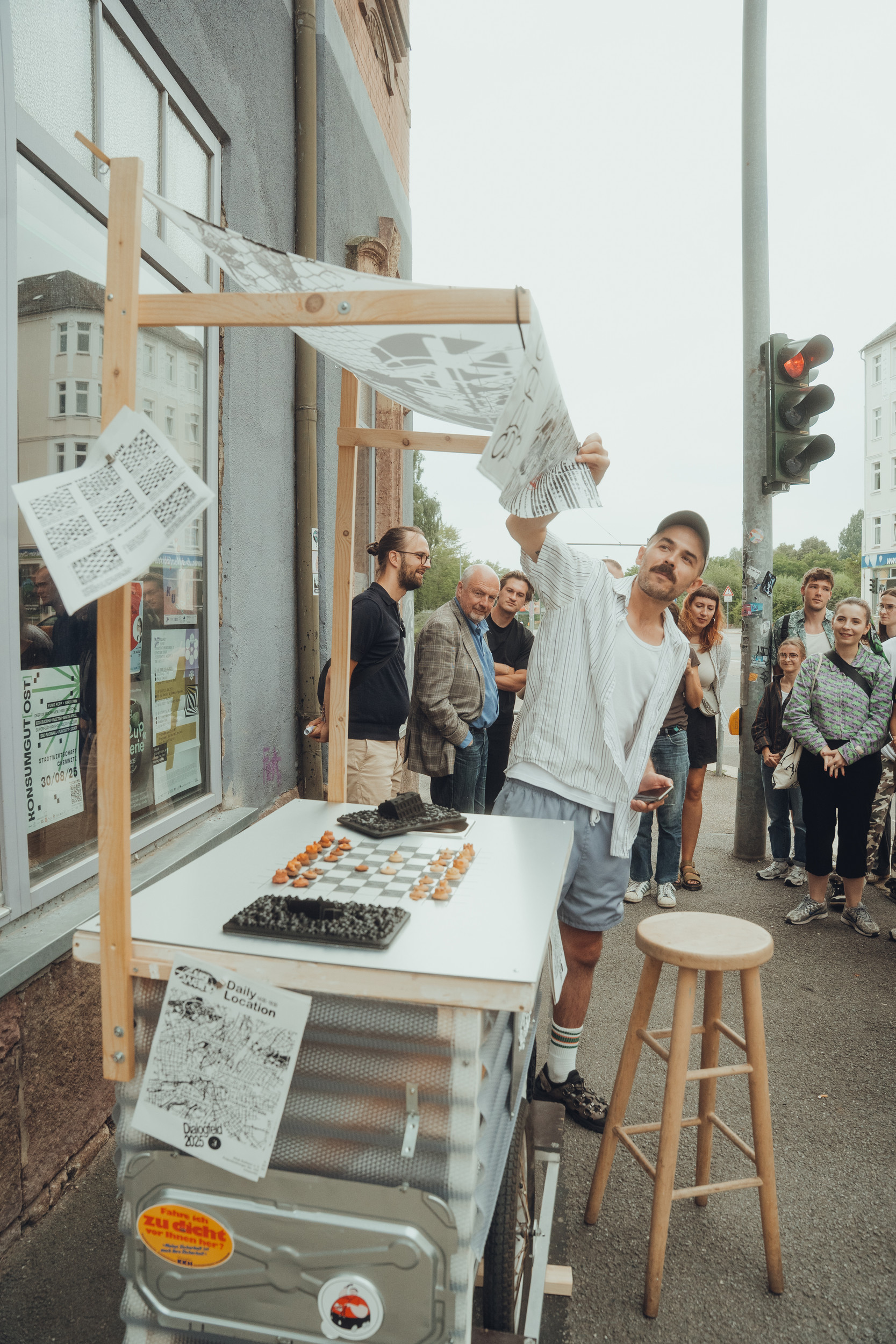
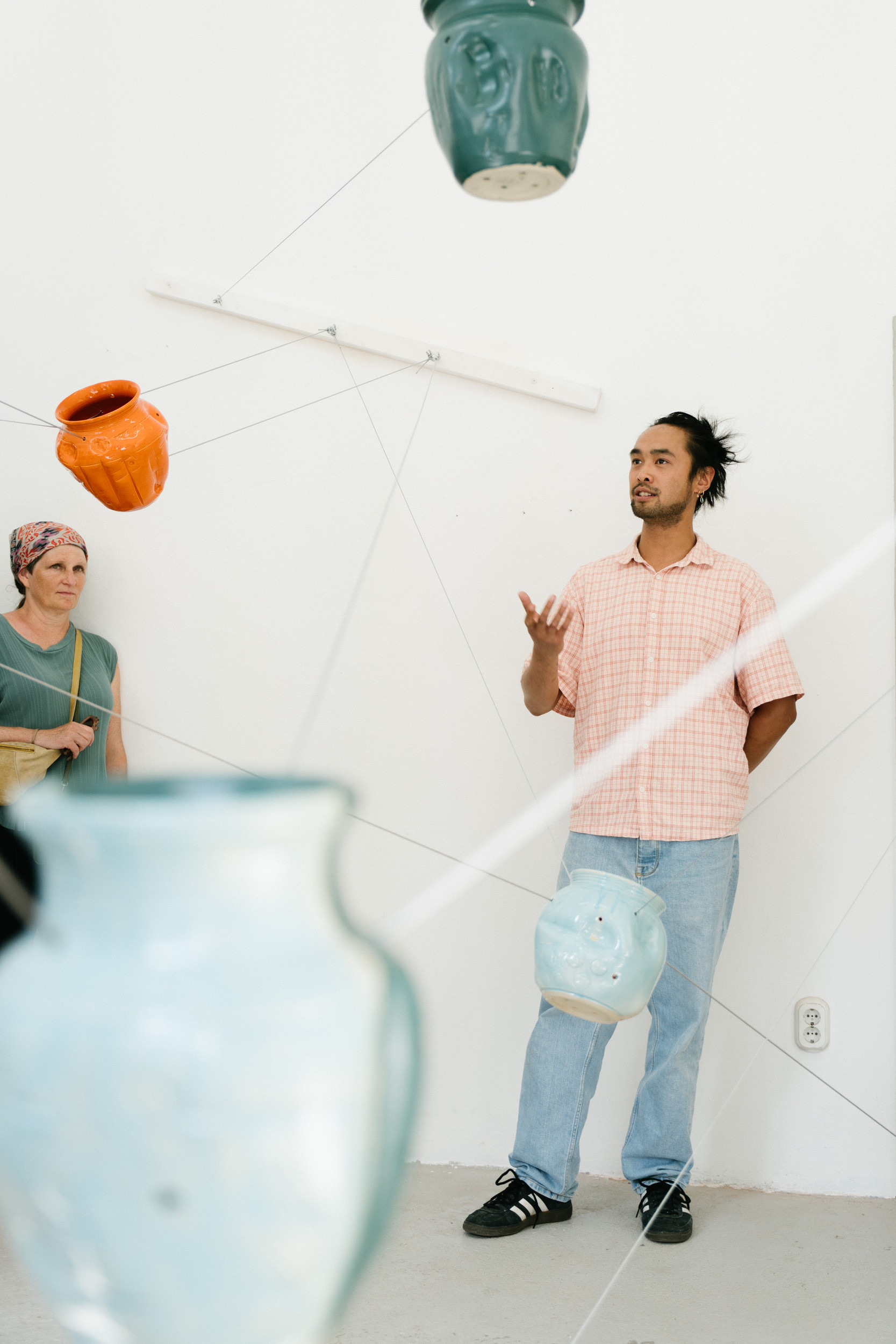
On three separate occasions, international artists lived and worked in Chemnitz for six weeks, getting to know the city and its people and developing new artistic ideas as part of the ‘Dialogfelder’ project. Their works created spaces for encounter in public spaces. At public events, visitors were able to find out about the projects, ask questions and engage in conversation with the artists.

The NSU complex in the neighbourhood
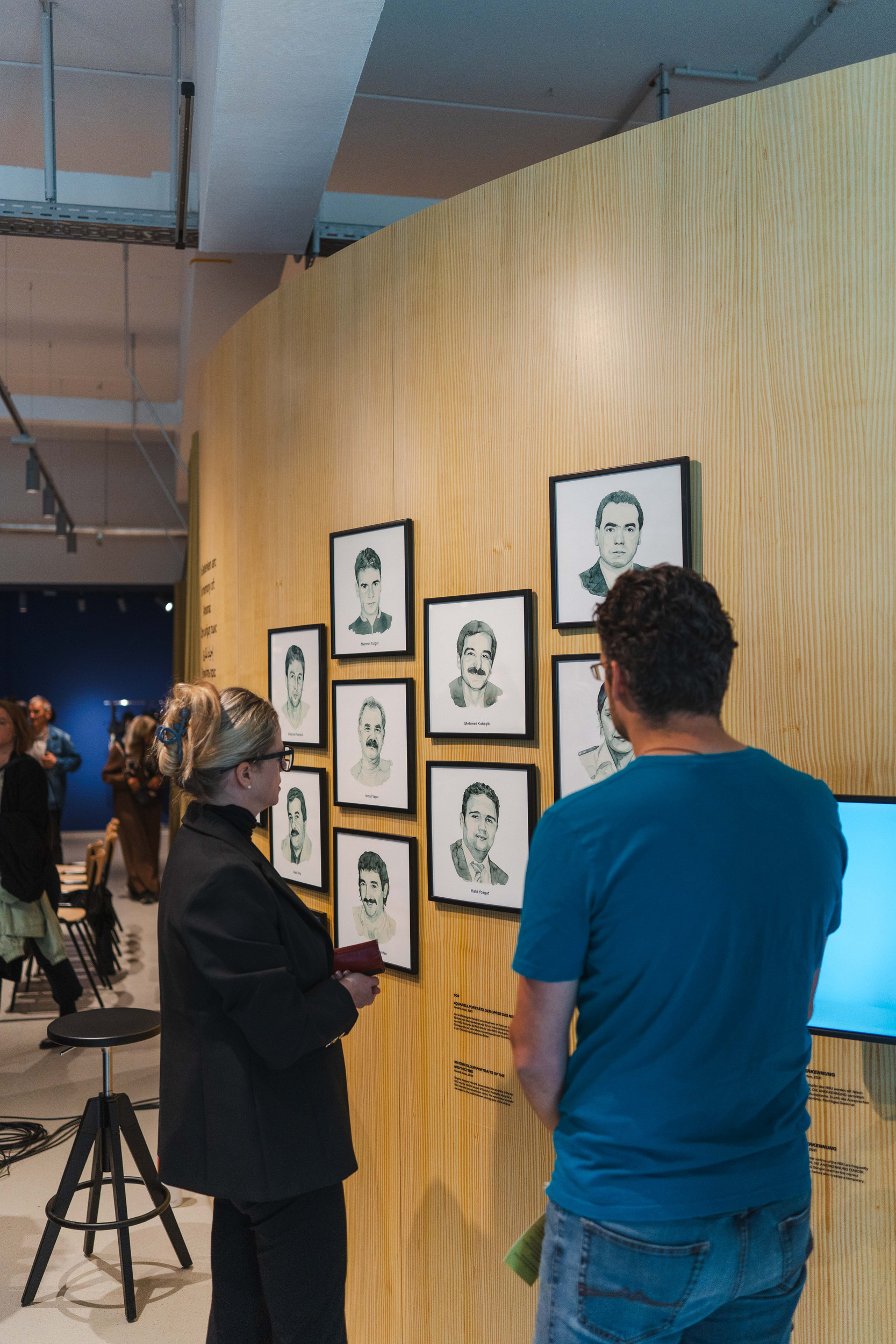
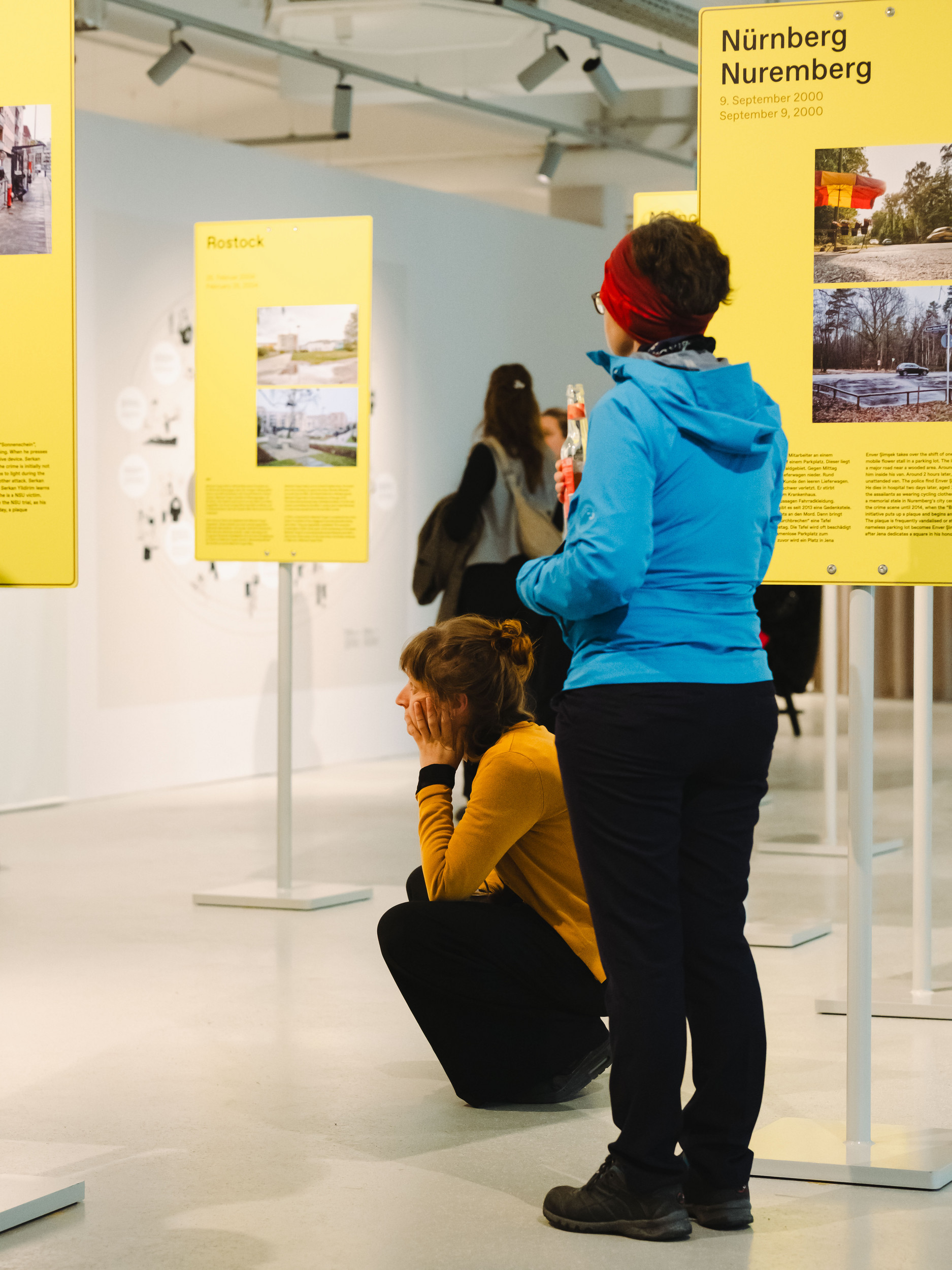
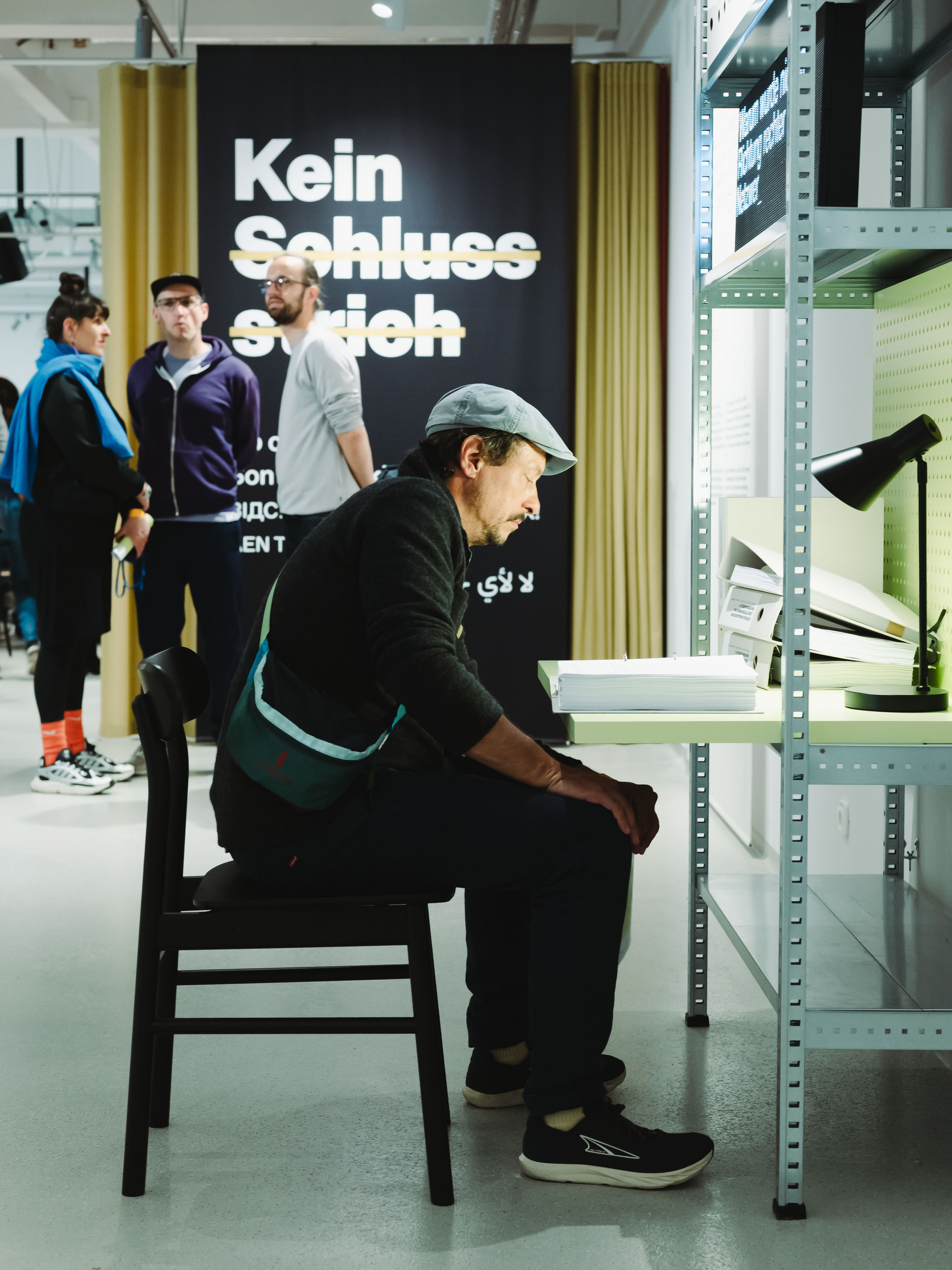
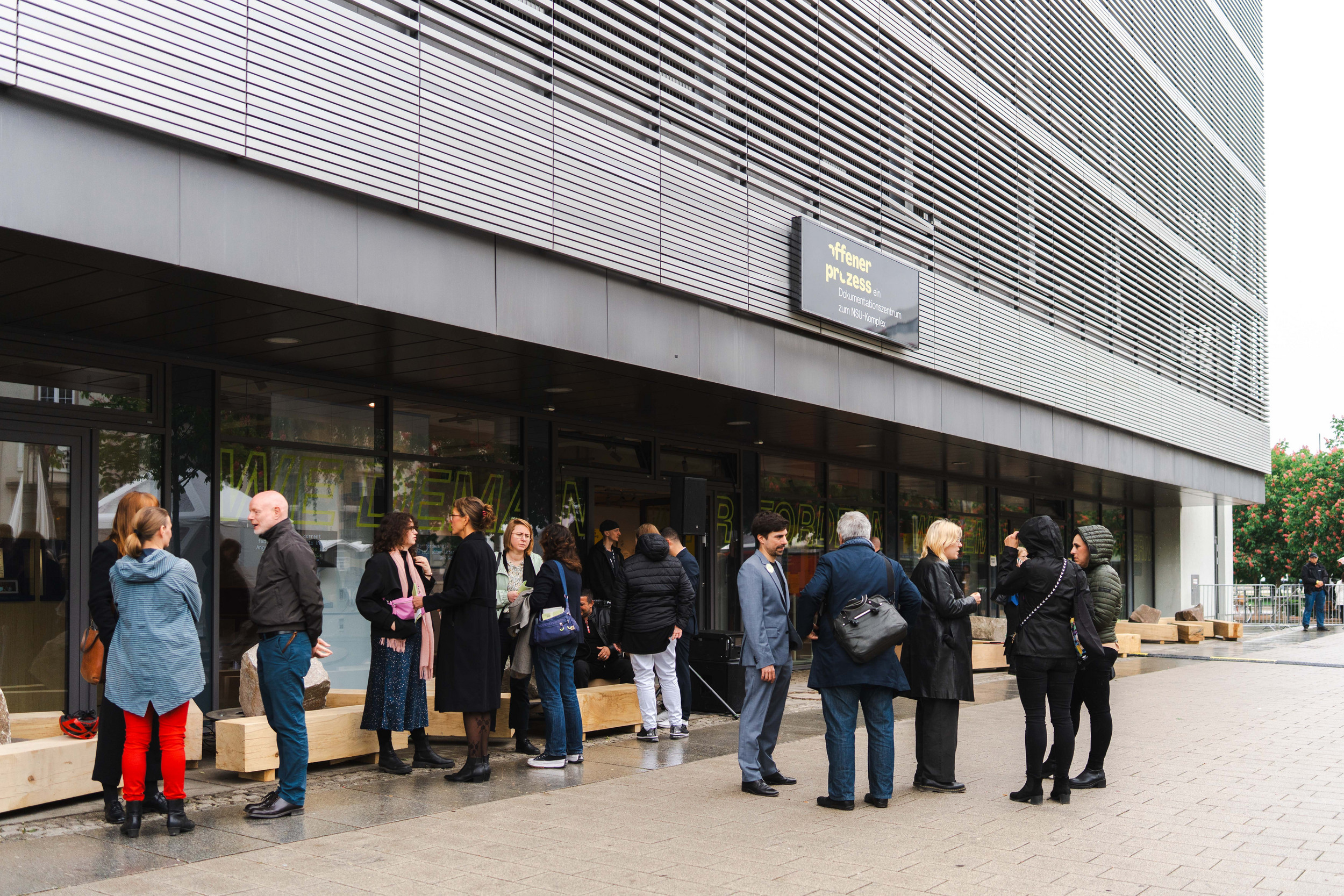
In East Germany, the 1990s are referred to as the ‘baseball bat years’. The violence provided a breeding ground for right-wing terrorist violence. In Germany, the second and third generations were born to parents who had come to Germany after the Second World War to help rebuild the country. Taking the NSU case as its starting point, the ‘Open Trial’ highlighted these migration stories and the everyday racism to which people remain exposed to this day. But it also showcased their resistance to it. It depicted the ongoing right-wing violence and the vocal voices that stood up against it.